In 2018 I watched TechCrunch Disrupt on HBO's Silicon Valley and thought it looked like the center of the startup world. In June I got nominated to speak there, asked people to vote, and honestly didn't expect anything to come of it.
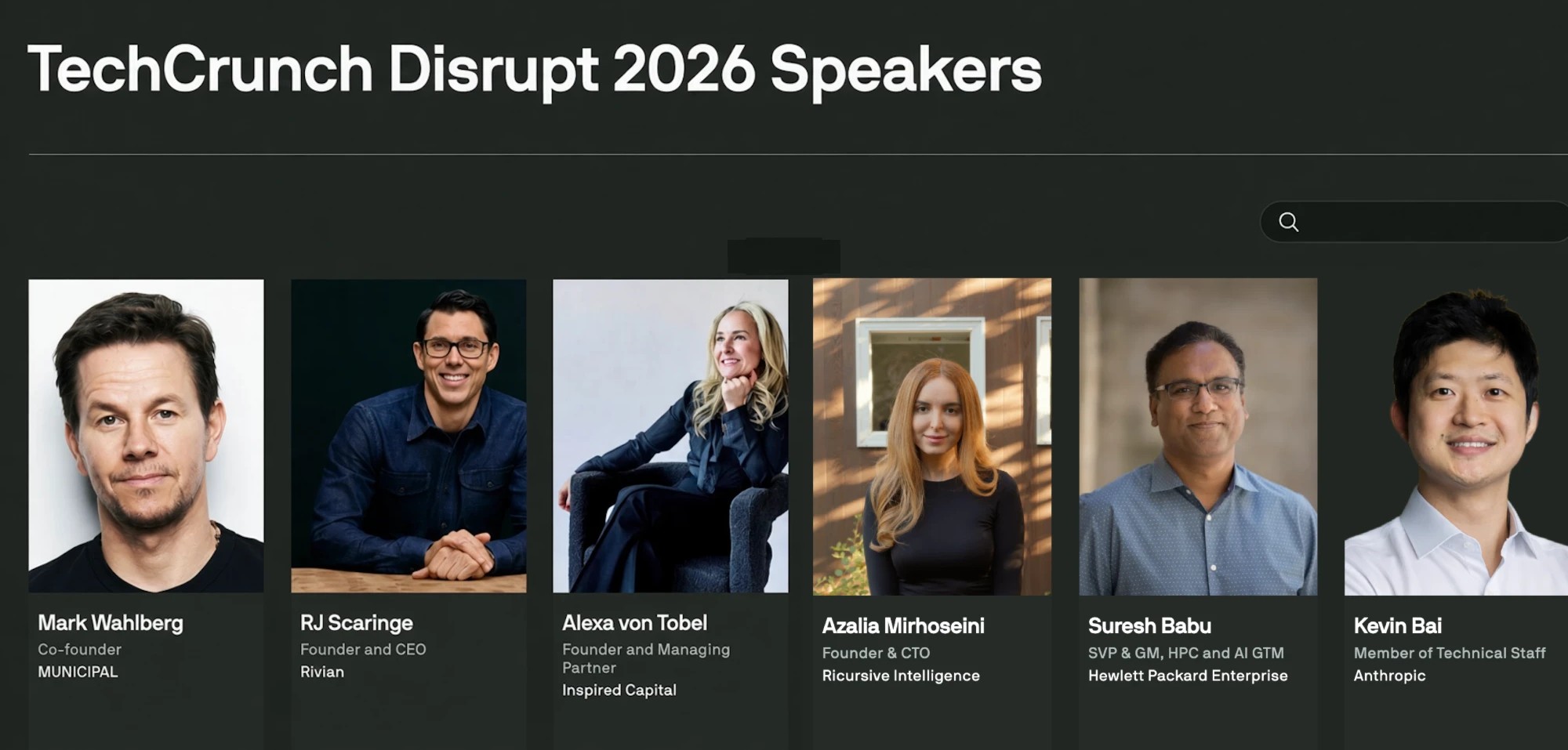
This month my name was on the Disrupt speakers page next to Mark Wahlberg's. I still can't quite believe that sentence.
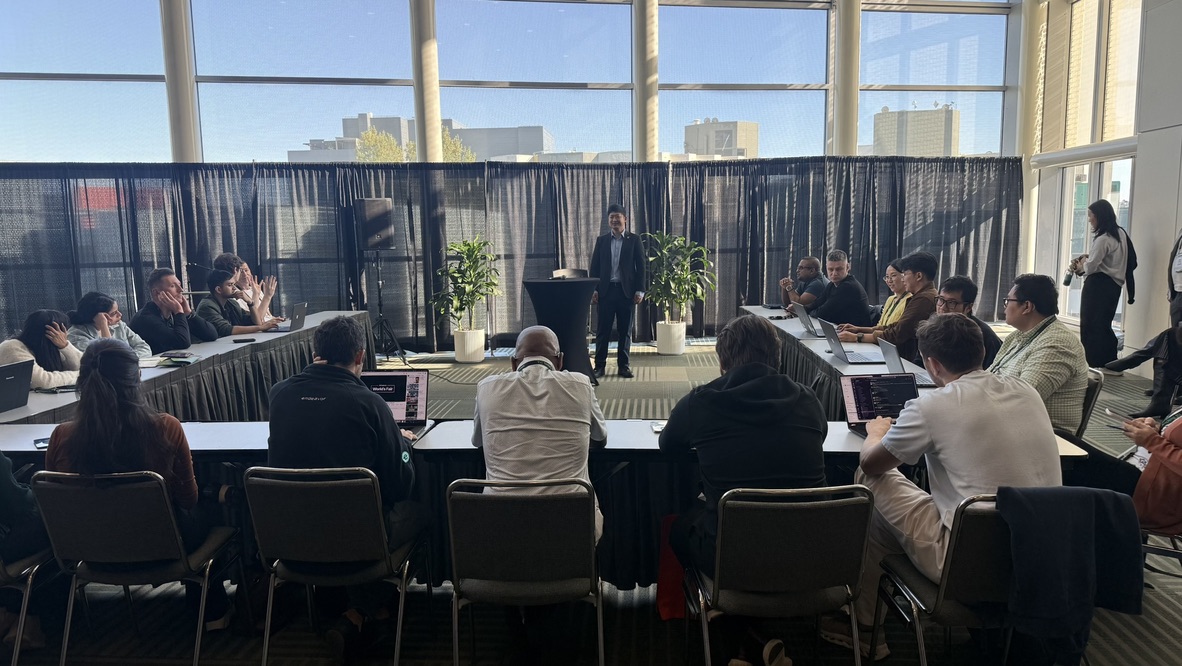
On October 14 I ran a workshop at Moscone West on forward deployed engineering, "FDE: The Best Commercial Motion in Enterprise Software You've Never Heard Of," for 50 founders, with a line overflowing outside.
You can just do things. I didn't have a plan for getting on that stage. I put my name in, asked people to vote, and showed up when it worked. If there is a stage you have been watching from your couch, the gap between you and it is usually smaller than it looks.
The rest of this is bonus alpha. Most of the questions in the room were not what an FDE is. They were how to become one, and what makes a good one. My answer to both is the same: you get hired, and you get good, by finding the problem under the one you are handed.
How you get hired
I'd already answered both in an interview I did at the start of the year with Stephen, the founder of Exponent.
Halfway through, Stephen stopped asking questions and started playing a customer. "Our dashboard is slow. We keep hitting latency issues. We're frustrated."
That line is a good test of the whole interview. The instinct is to start solving. I would never tell a customer they are wrong, and the latency is real. But you didn't pick my company for our fast dashboards, so: why is this affecting your business? A few questions later it came out. The dashboard is the catalog people buy from, and the fear is that slow loads suppress conversion. The actual goal is sales.
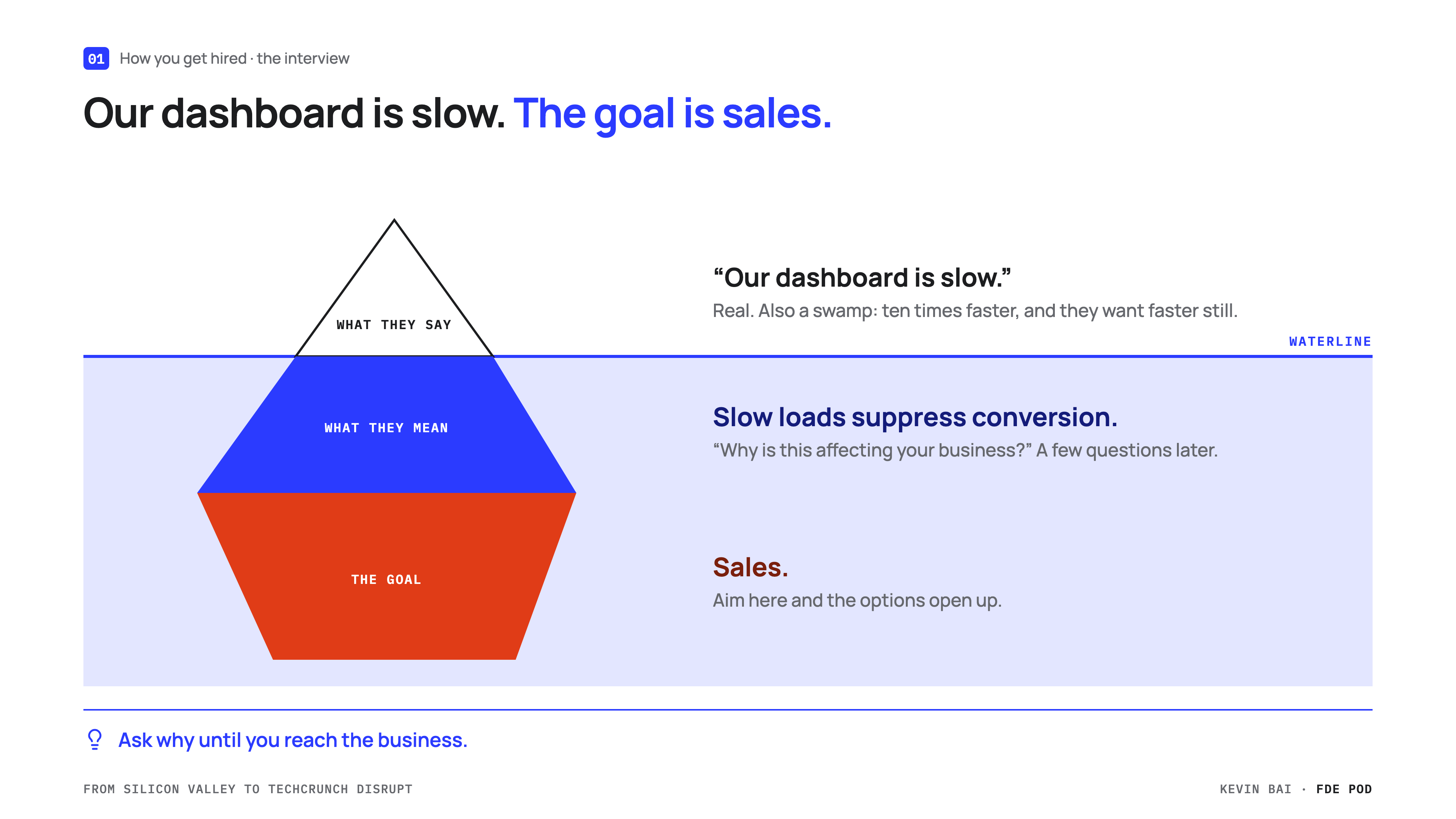
Latency is a swamp. I make it ten times faster, next week you want it faster still, and we land on no business result. Aim at conversion instead and the options open up: maybe speed, maybe surfacing the right products, maybe a different page entirely.
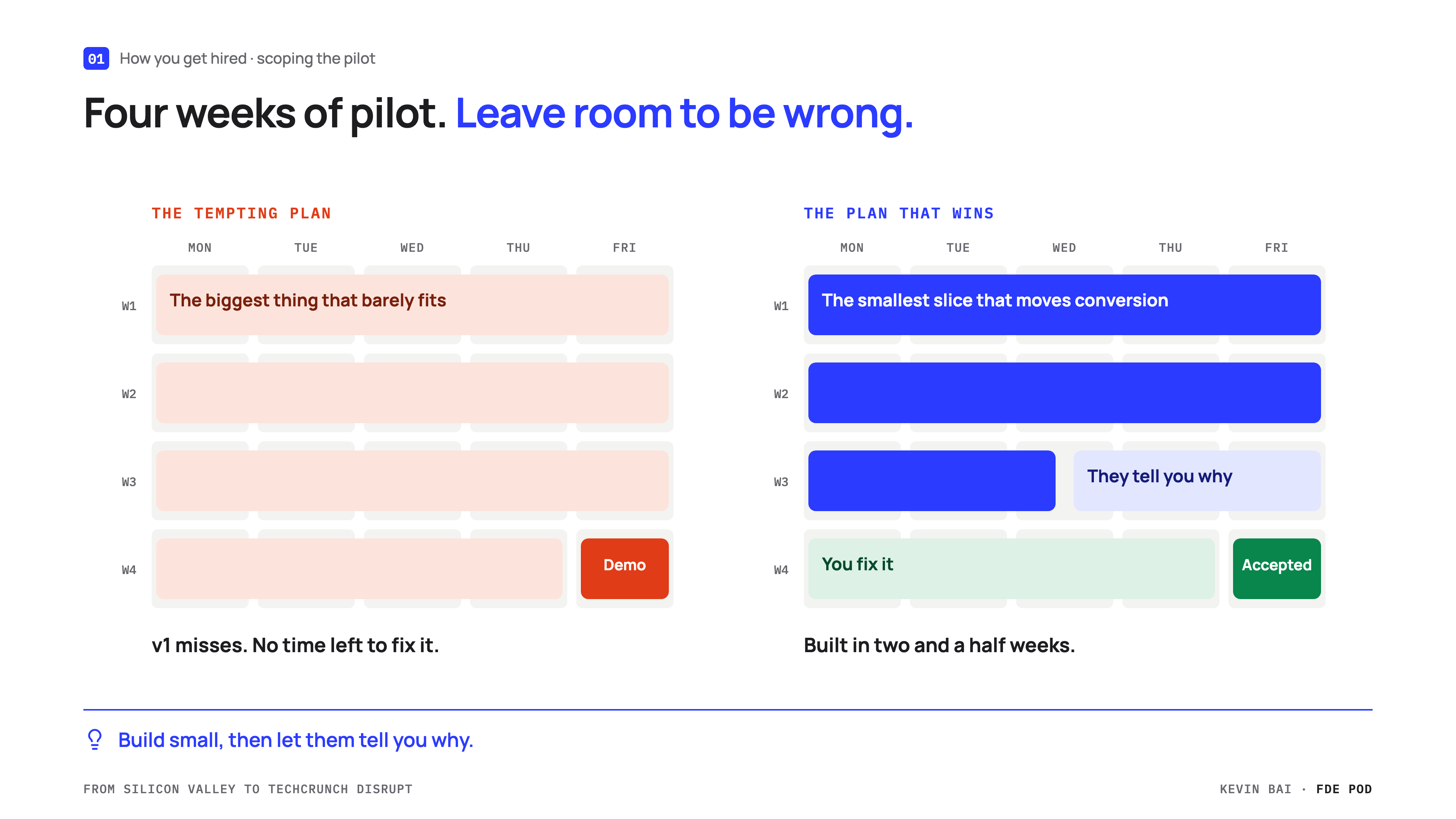
Then scope it. Say we have four weeks for the pilot. Pick the biggest thing that barely fits in four weeks, and that's how you lose the deal. I want the smallest slice that produces a real increase in conversion, built in about two and a half weeks, because I know you will hate v1 and I need room to iterate after you tell me why.
The people who pass that test tend to come from somewhere that already asked it of them. If you have founded a company, this will feel like home: you don't know what you are building, the customer doesn't know what they are buying, you show up, you talk, you build. Engineers with a product streak and unusually technical PMs make a really good profile.
What makes a good one
You are signing up for three jobs at once, consultant, product manager and engineer, which means three times the surface area to fail on. The one that comes first is the consultant's, and its main skill is not speaking. It is listening, long enough that the sponsor tells you the problem that keeps them up at night instead of the one that got you the pilot.
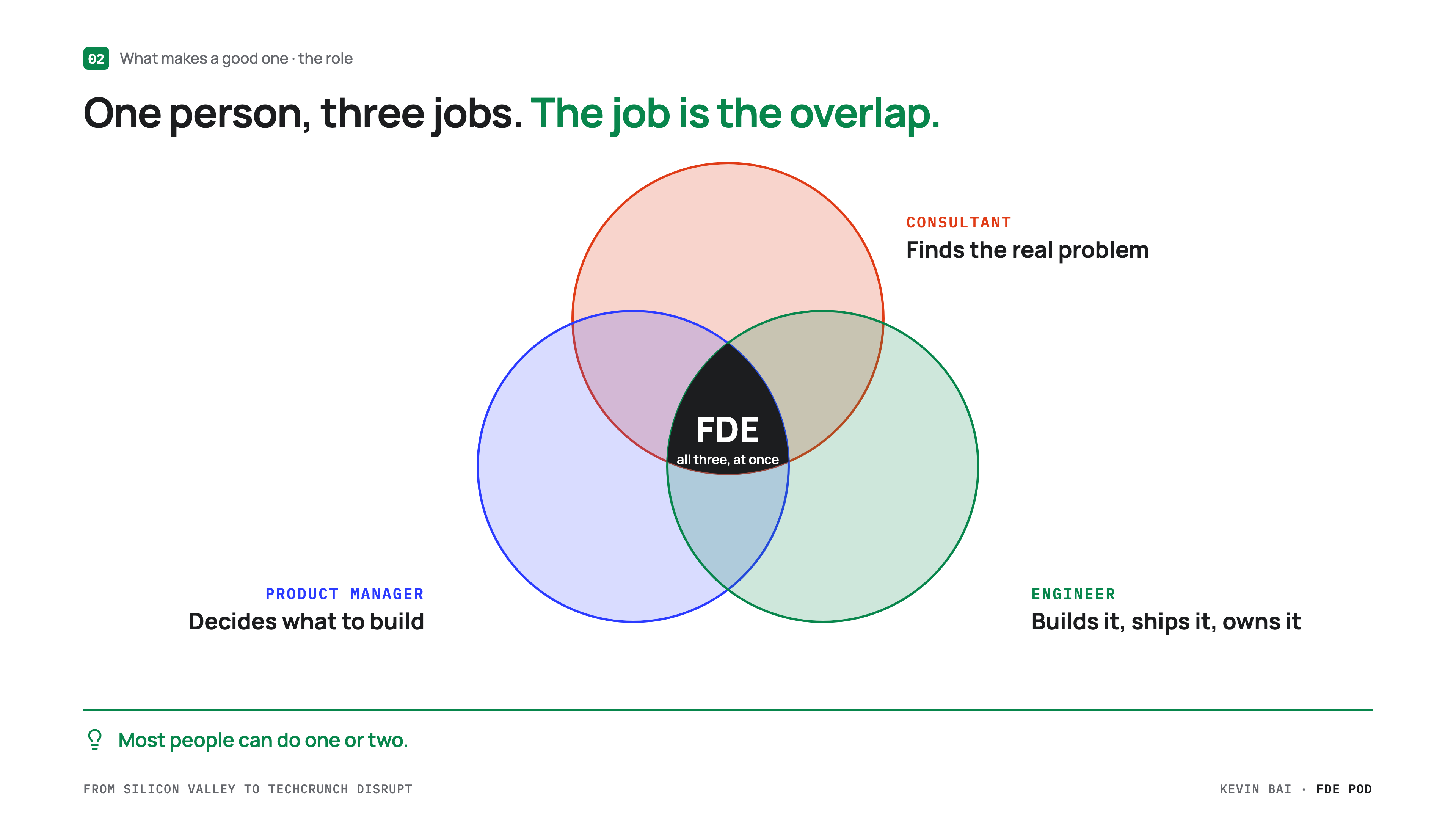
The best FDEs own the problem, not the project. The customer does not care how hard you worked. They care whether their problem is gone. There is no QA behind you: you build it, demo it, pull real feedback, and get it accepted. Quality means the code is good. Completeness means the problem is handled. When I hired FDEs at Rippling, I hired for the second.
The title is hot right now, and that is a terrible reason to do it. If you are building the function rather than joining it, the business case is in Forward Deployed Engineering 101.
What it costs
San Francisco, then Los Angeles, then New York, then Boston, then Chicago. That was one month. It sounds cool and all until you examine what it means.
It is a great job. It is also just a job, and it comes with real tradeoffs. The rule underneath all of them is that the customer's calendar wins. When the deployment slips, you stay. When the executive review moves to Monday, you fly Sunday.
You can plan a life around that. What you can't plan around is anything that assumes you'll be in one city on a given night. The invitations at home keep arriving, and you are somewhere else when they do.
The quieter cost is belonging, at work and at home. Your friends don't stop liking you. They stop assuming you're free. So you build both back on purpose: lunch with the customer's team, the call from the airport lounge, and a yes to the thing you would have skipped when you're home.
The road gives some of it back. Boston is a few hours' drive from Acadia National Park. I finished the week on site, drove north, and spent the weekend on the coast of Maine, a trip that would never have happened from San Francisco.
I love this role. There are also FDEs at excellent companies, Palantir included, who are thoroughly miserable. It fits if being new somewhere gives you energy, and a missed dinner stings without hollowing you out. It fits worse if your energy comes from a fixed group of people in a fixed place, and nothing is wrong with that.
So look at your calendar for the next month and pick the three things you'd most hate to miss. Would you trade them for a week in Boston and a weekend in Acadia? If you would, put your name in. Eight years ago I was watching Disrupt on TV. You can just do things.
These views do not represent Anthropic.